
Introduction: Morning Routines for Families
A smooth morning can set the tone for your entire day. For busy families juggling school, work, and household tasks, having an efficient morning routine for families is not just helpful—it’s essential.
In this guide, we’ll explore 10 proven routines that save time, minimize stress, and strengthen family bonds. Whether you have toddlers or teenagers, these ideas can help every member start their day feeling prepared and positive.
☀️ 1. Start the Night Before: The Secret to Easy Mornings
The best morning routines actually begin the night before. Preparing ahead can make mornings smoother and more relaxed.
Tips:
-
Lay out clothes for everyone.
-
Pack school bags and lunches in advance.
-
Review tomorrow’s schedule together.
-
Set a consistent bedtime for kids.
🕕 Pro Tip: Encourage your kids to help with evening prep — it teaches responsibility and saves you time in the morning.
For better bedtime discipline, check our guide on Managing Kids’ Screen Time — limiting screens before bed helps kids fall asleep faster.
👉 Learn More: American Academy of Pediatrics – Family Sleep Recommendations
🧘 2. Wake Up Before the Kids (Even 15 Minutes Helps)
Parents who wake up just a few minutes earlier often find their mornings far more peaceful. Use this quiet time for:
-
Meditation or prayer
-
A cup of tea or coffee
-
Planning the day’s priorities
This calm moment helps you start your day centered and ready before the family energy picks up.
🕯️ Example Routine:
Wake up → stretch → drink water → quick journaling → prepare breakfast setup.
🍳 3. Create a Family Breakfast Routine
Breakfast is more than a meal—it’s connection time. A healthy breakfast keeps everyone focused and energized.
Quick breakfast ideas:
-
Overnight oats or smoothies for busy mornings
-
Boiled eggs and fruit
-
Whole-grain toast with peanut butter and banana
Even if it’s just 10 minutes, eat together and chat about the day ahead.

🪥 4. Make a Visual Morning Schedule for Kids
Children thrive on structure. Use a visual routine chart to remind them what to do next — brush teeth, get dressed, eat breakfast, and pack school bags.
Benefits:
-
Encourages independence
-
Reduces nagging
-
Makes mornings predictable and fun
You can use stickers or magnetic boards to make it interactive for younger children.
🔗 Learn more from Parenting.com – Routine Charts for Kids.

🏃 5. Include Movement in Your Morning
A little physical activity wakes up the body and brain. Try:
-
Family stretching for 5 minutes
-
A short walk or yoga
-
Dance party while getting ready
Exercise releases endorphins that boost everyone’s mood—especially helpful before school and work.
Pair it with ideas from our Seasonal Parenting Tips article to keep your kids active year-round.
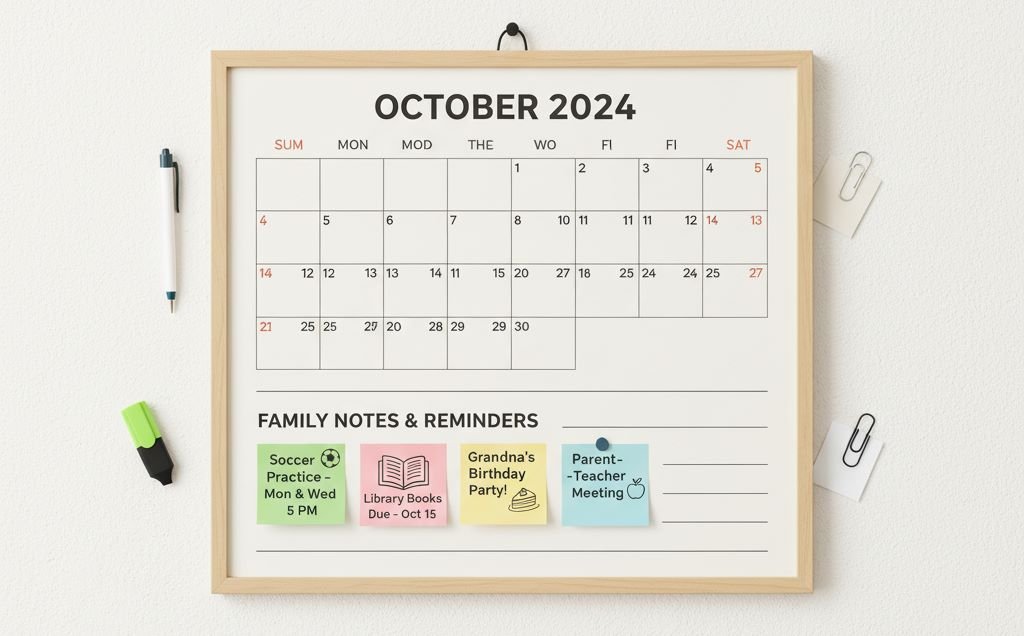
📅 6. Keep a Central Family Planner
Avoid confusion and forgotten tasks by keeping a visible family planner—a whiteboard, wall calendar, or shared app (like Google Calendar).
Include:
-
School and office schedules
-
Chores
-
Important reminders (birthdays, appointments, deadlines)
It teaches kids organization and responsibility, which helps in both school and home life.
❤️ 7. Add a Family Connection Moment
Even a quick 2-minute connection makes a big emotional difference.
Examples:
-
Share a “morning hug” ritual.
-
Ask, “What’s one thing you’re excited about today?”
-
Leave small notes in your child’s lunchbox.
These small gestures build stronger emotional bonds and improve mood before heading out.

🌈 8. Prepare a Morning Music Playlist
Music can set the right tone for the day. Play upbeat songs to energize everyone or calming tunes to maintain focus.
Kids often respond better to tasks (like brushing or packing bags) when music is part of the routine.
🎵 Pro Tip: Make a “Get Ready” playlist that lasts exactly as long as your morning routine.
🧃 9. Keep Healthy Snacks Ready for Busy Days
Sometimes mornings don’t go as planned. Having grab-and-go options ensures no one skips breakfast.
Try:
-
Energy bars
-
Yogurt cups
-
Fruit slices
-
Mini sandwiches
💬 10. Stay Flexible — Every Morning Won’t Be Perfect
No routine works perfectly every day. Kids get sick, alarms fail, and life happens. The goal isn’t perfection—it’s consistency.
When mornings go wrong, take a deep breath, laugh it off, and adjust. Over time, your family will find its rhythm.
❓ FAQs — Morning Routines for Families
Q1: What are the best morning routines for families with young children?
A1: For families with young children, the best morning routines focus on predictability and simplicity: prepare clothes and lunches the night before, use a visual routine chart, and keep breakfast simple and nutritious. Include short, calm connection rituals (a quick hug or two-minute chat) to set a positive tone. Keep tasks chunked into small steps so toddlers can participate and gain independence.
Q2: How can parents stop morning chaos and make mornings calmer?
A2: Reduce chaos by planning the night before, creating a central family planner, and establishing consistent wake and bedtimes. Assign small responsibilities to each child to reduce last-minute chores for parents. Use timers and gentle alarms, and keep “backup” grab-and-go breakfasts available for rushed days to avoid stressful delays.
Q3: How much time should a family morning routine take on school days?
A3: A well-planned family morning routine typically needs 45–90 minutes from wake-up to out-the-door depending on ages and distance to school/work. Aim for a predictable window—e.g., wake 60 minutes before departure—to allow for dressing, breakfast, toileting, and a short connection moment. Adjust the timeframe as your family practices the routine and becomes more efficient.
Q4: How do I get teenagers to follow morning routines without constant nagging?
A4: Involve teenagers in creating the routine—ask for their input about timings and music or tasks—and give them ownership (shared calendar, responsibility for breakfast once a week, etc.). Use tech-friendly reminders (shared calendar events or alarms) and agree on natural consequences for missed tasks instead of nagging. Praise consistency and small wins to keep motivation high.
Q5: What quick breakfasts work best for busy family mornings?
A5: Quick, nutritious breakfasts include overnight oats, smoothies, boiled eggs, whole-grain toast with spreads, and yogurt with fruit. Prepare components the night before—slice fruit, soak oats, or pre-portion smoothie packs—to save time. Keep a small selection of pre-wrapped snacks available for truly rushed mornings so kids still get energy before school.
Q6: How can single parents create effective morning routines for families?
A6: Single parents should simplify: plan key tasks for the night before, use checklists and visual charts for kids, and prioritize the most important morning items (safe departure, breakfast, backpacks). Consider asking for help from family or neighbours occasionally, and build buffer time into the schedule to handle unexpected delays. Self-care (waking 10–15 minutes early) helps maintain patience and energy.
Q7: How do morning routines for families change on weekends or holidays?
A7: On weekends, keep the overall structure (wake, meal, movement) but allow more flexibility in timing and activities—swap school prep for family outings or relaxed breakfast rituals. Maintain somewhat consistent sleep/wake times to protect children’s circadian rhythm, but use weekends for restorative family connection and slower, fun starts.
Q8: Can I use technology to improve morning routines for families?
A8: Yes — shared calendars, reminder apps, and timers can streamline tasks and reduce verbal reminders. Use a family-shared Google Calendar for appointments and alarms for individual wake times. However, limit screens during wake-up and pre-school routines to avoid distracted starts; keep tech as an aid, not a replacement for simple habits.
Q9: What should I do when a morning routine fails and everyone is late?
A9: When things fall apart, take a deep breath, prioritize safety, and keep communication calm with kids. Use quick backup plans—grab-and-go breakfasts, consolidating drop-offs, or calling ahead to inform school/work if needed. After the day, review what broke down and adjust the routine (change wake times, prepare more the night before) rather than assigning blame.
Q10: How long does it take for a new family morning routine to become a habit?
A10: New routines typically take several weeks to become habit—plan for 3–6 weeks of consistent practice and gentle reinforcement. Make incremental changes (one habit at a time), celebrate progress, and involve kids in tuning the routine so it fits real life. Regularly review and tweak the routine as kids grow or schedules change.
🧭 Conclusion: Build a Morning That Works for You
Creating calm and joyful mornings doesn’t require magic—just a little planning and patience.
Start small, involve everyone, and tweak your routine as your family grows.
Soon, mornings will become something to look forward to instead of dread.