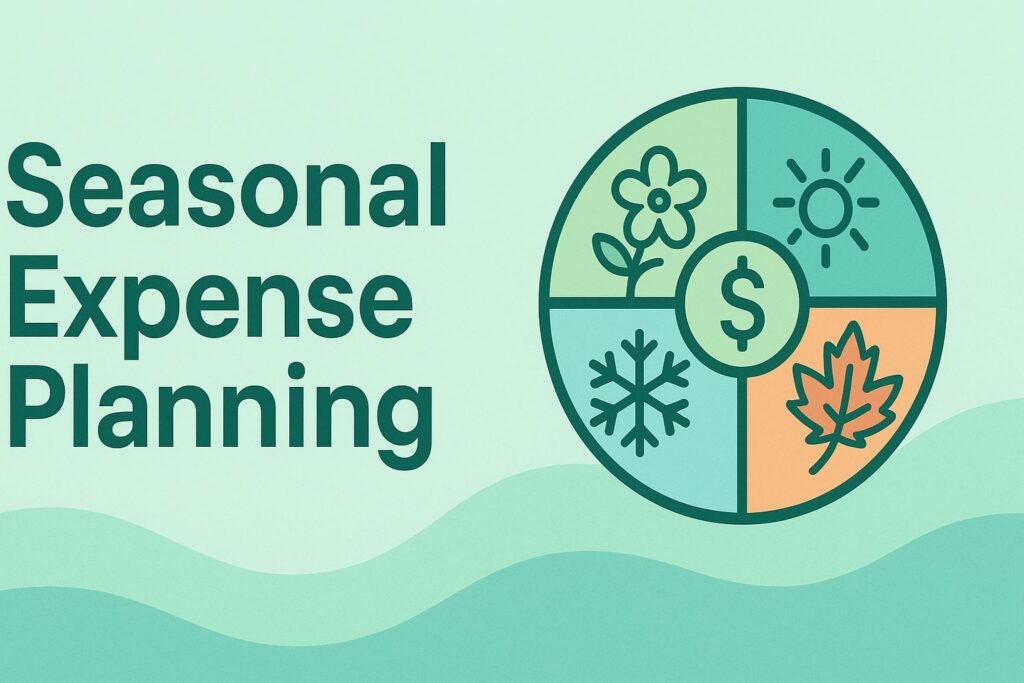
Seasonal Expense Planning
Seasonal expense planning is one of the smartest financial habits you can develop to avoid stress and keep your budget balanced year-round. Whether it’s holiday shopping, school fees, summer vacations, or winter energy bills — each season comes with unique expenses that can surprise even the most careful planner.
By anticipating these costs and setting aside funds strategically, you can enjoy financial freedom without last-minute panic. Let’s explore how to plan, save, and spend wisely for every season.
🗓️ Why Seasonal Expense Planning Matters
Budgeting for the entire year sounds great, but in reality, expenses fluctuate depending on the time of year. From Diwali or Christmas gifts to back-to-school shopping or vacation spending, the variation can disrupt your budget if you’re unprepared.
Benefits of seasonal planning:
-
Prevents overspending during high-cost months
-
Helps you track cash flow and avoid debt
-
Makes saving for special occasions easier
-
Improves long-term financial stability
💡 Read next: Best Budgeting Apps to simplify your expense tracking.
🌸 Spring: Refresh Your Finances
Spring symbolizes renewal — not just for your home, but your finances too. This is a great time to clean up your budget and review your yearly goals.
Typical spring expenses:
-
Home cleaning and maintenance
-
Gardening or landscaping
-
Family outings and picnics
-
Tax payments and insurance renewals
Budget tips for spring:
-
Review your tax refunds — allocate a portion to savings or debt repayment.
-
Take advantage of spring sales for household needs.
-
Start a “maintenance fund” for upcoming repairs.

☀️ Summer: Prepare for Travel and Leisure Costs
Summer is when spending typically peaks — especially on vacations, travel, and entertainment. Without planning, it’s easy to overspend.
Common summer expenses:
-
Travel and accommodation
-
Outdoor events or hobbies
-
Higher utility bills due to cooling
-
Summer camps or children’s activities
How to plan:
-
Set a travel budget early. Book flights and hotels in advance.
-
Use cashback apps for ticket bookings and food orders.
-
Plan no-spend weekends to balance your leisure costs.

External resource: NerdWallet’s Travel Budget Calculator for smart trip planning.
🍁 Autumn: Get Ready for Festive Spending
Autumn brings festivals, back-to-school shopping, and family gatherings — all of which can stretch your finances.
Autumn expenses include:
-
School and college supplies
-
Festival gifts and decorations
-
Clothing and seasonal shopping
-
Charity donations
Smart tips:
-
Create a festival spending list and stick to it.
-
Reuse last year’s decorations to save money.
-
Buy gifts in advance to avoid price hikes.
💡 Internal link suggestion: Saving Money Tips for Students

❄️ Winter: Manage Holiday and Utility Costs
Winter is the season of celebration and warmth — but it’s also when expenses skyrocket due to holidays, heating, and year-end sales.
Winter expenses to expect:
-
Gifts, food, and party costs
-
Higher electricity and gas bills
-
Year-end subscriptions renewals
-
Health checkups and insurance
How to plan:
-
Start a holiday savings fund by September.
-
Buy gifts during early sales to save big.
-
Track your energy usage and switch to energy-efficient devices.

💼 How to Build a Seasonal Budget Plan
Follow this 5-step framework to build your personalized seasonal budget:
-
List seasonal expenses for each quarter.
-
Use a spreadsheet or budgeting app (like Mint or Goodbudget).
-
Allocate savings monthly toward upcoming expenses.
-
Track spending weekly to stay on target.
-
Review and adjust your plan every season.
📎 Helpful read: Beginner’s Guide to Investing to make your savings grow.
💰 Tools to Simplify Seasonal Expense Planning
Here are a few recommended tools and apps to manage seasonal budgets efficiently:
| Tool/App | Key Feature | Cost |
|---|---|---|
| Mint | Tracks expenses automatically | Free |
| Goodbudget | Envelope-style planning | Free & Paid |
| YNAB (You Need A Budget) | Real-time sync with banks | Paid |
| PocketGuard | Prevents overspending | Free & Paid |
🔗 External resource: Investopedia – Budgeting Basics
🧠 Common Mistakes to Avoid
-
Ignoring seasonal spikes in bills
-
Not tracking small purchases
-
Using credit for festival shopping
-
Forgetting to update your budget
Set reminders every 3 months to review your seasonal plan. This ensures financial consistency throughout the year.
❓ FAQs About Seasonal Expense Planning
Q1. What is seasonal expense planning?
It’s a budgeting approach that accounts for recurring expenses based on seasons — like holidays, travel, or utility bills — so you can prepare ahead and avoid financial surprises.
Q2. How can students use seasonal budgeting?
Students can plan for academic fees, books, and festivals. Pair it with tools like Best Free Productivity Software for time and finance tracking.
Q3. What’s the best way to save for festival expenses?
Start saving small amounts monthly in a separate “festival fund.” Automating this ensures you have enough when needed.
Q4. Should I adjust my budget every season?
Yes — review and adjust your expenses every 3 months to reflect new goals or lifestyle changes.
Conclusion
Seasonal expense planning transforms the way you manage money — turning unpredictable costs into manageable, stress-free experiences. Whether it’s summer vacations or winter bills, planning ahead ensures that your financial life runs smoothly all year.